
Do Home Upgrades Really Increase Value? What Sellers in Las Vegas Need to Know
Do Home Upgrades Really Increase Value? What Sellers in Las Vegas Need to Know
One of the most common conversations I have with sellers starts with this:
“We’ve put a lot into the home.”
And usually, they have.
The challenge isn’t whether the investment was real—it’s how much of that investment the market actually recognizes when it comes time to sell.
Because buyers and appraisers don’t look at upgrades the same way homeowners do.
This is where many sellers unintentionally make a costly mistake pricing their home based on what they spent instead of what the market will recognize.
The Key Difference: Cost vs. Market Value
What you spent on your home and what the market will pay for it are rarely the same number.
Buyers and the appraisers lenders rely on are asking a different question:
Would a typical buyer pay more for this home compared to similar homes?
Not:
What did the seller invest?
That gap is where pricing mistakes happen and where many sellers unintentionally leave money on the table.
In most cases, even well-executed upgrades return only a portion of their cost in appraised value, depending on how they compare to similar homes.
Upgrades That Actually Add Value
There are certain improvements that consistently influence price because buyers actively compare them when choosing between homes.
These tend to include:
- Kitchen renovations (layout, cabinetry, functionality)
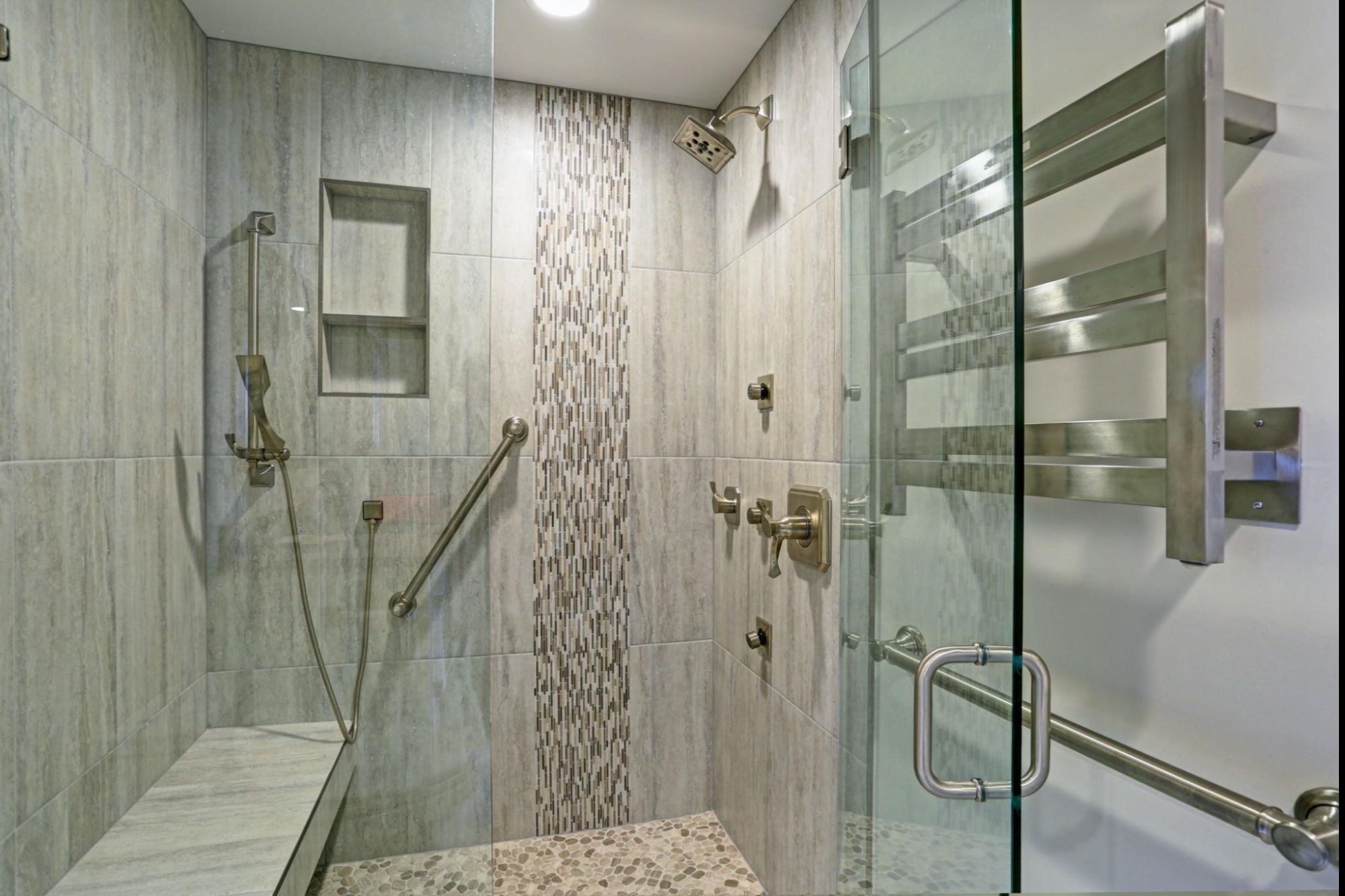
- Bathroom upgrades and added bathrooms
- Permitted square footage additions
- Outdoor features like pools and usable entertaining space
- Energy efficiency improvements (owned solar, updated systems)
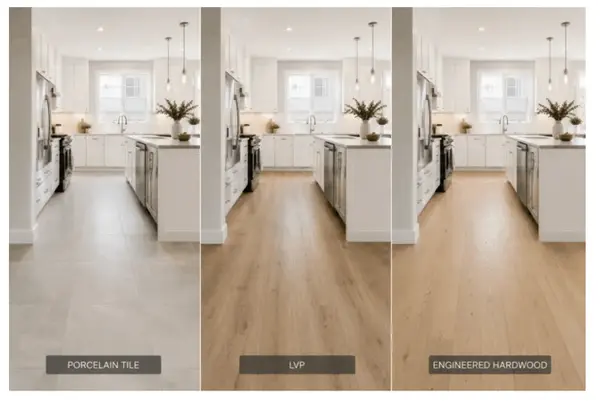
- Flooring upgrades replacing outdated materials
These are what I call value creators they can move your price upward when supported by comparable sales.
Upgrades That Protect Your Value (But Don’t Raise It)
This is where many sellers get caught off guard.
Replacing major systems is important but it doesn’t usually increase your price.
It prevents your home from being discounted.
Examples include:
- Roof replacement
- HVAC systems
- Water heater
- Plumbing or electrical updates
Buyers expect these to work. When they don’t, offers drop. When they do, the home is simply considered “as it should be.”
Think of these as protecting your bottom line not raising your ceiling.
Upgrades That Are Personal (And Sometimes Neutral)
Some improvements matter to you but not necessarily to the market.
- Custom finishes or bold design choices
- Paint and decorative updates
- Standard appliance replacements
- Converted or modified spaces (garage conversions, removed bedrooms)
These can help your home show well, but they don’t always translate into higher offers.
In some cases, they can even limit your buyer pool.
Where Sellers Lose Money (Without Realizing It)
The biggest mistake isn’t upgrading it’s pricing based on investment instead of market reality.
I’ve seen sellers:
- Overprice and sit on the market
- Miss the window of strongest buyer interest
- Go through price reductions that could have been avoided
All because the starting point wasn’t aligned with how buyers and appraisers evaluate value.
How This Impacts Your Pricing Strategy
When I price a home, I’m not ignoring your improvements.
I’m translating them into:
- What buyers will recognize immediately
- What comparable sales support
- What an appraiser can justify at closing
That’s how we:
- Generate stronger early interest
- Reduce the need for price adjustments
- Create a smoother path from contract to closing
A Quick Note for Relocating Sellers
If you’re coming from markets like California or the Northeast, this can feel different.
In some areas, upgrades carry closer to full return.
In Las Vegas, the market tends to reward condition and functionality but not always cost.
Understanding that difference early helps avoid overpricing and missed opportunities.
Final Thought
You’ve invested in your home and that matters.
The goal isn’t to dismiss those improvements.
It’s to position them correctly so they actually work in your favor when it counts.
Before you decide on a price or invest in additional upgrades it’s worth getting a clear picture of how your specific improvements translate in today’s market.
Want a Property-Specific Breakdown?
If you’re thinking about selling, I can review your home and walk you through:
- What adds value
- What protects value
- And how it all translates into pricing
Send me a quick note, and I’ll take a look.
Categories
Recent Posts